Dopest Plaid Watercolor Paper: A Designer’s Real-World Embroidery Review
First Impressions: A Fresh Take on Background Embroidery
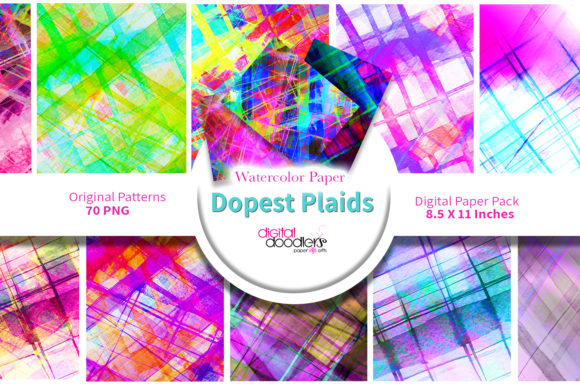
Opening up the Dopest Plaid Watercolor Paper design file, the first thing I noticed was the soft, painterly texture layered over a classic plaid pattern. It’s not your typical clean-lined embroidery background—it feels like a digital brushstroke with just enough structure to still function as a reliable design base. The muted tones and slightly blurred edges give it a relaxed, artistic vibe, perfect for modern embroidery projects that lean into a handmade, organic aesthetic.
This design immediately made me think of custom tote bags for boutique branding, or personalized baby items where a subtle background adds charm without overpowering the main embroidery motif. It's a background design that works well in both minimalist and layered embroidery styles, depending on how you pair it.
Real-World Use: From Sweatshirts to Holiday Gifts
I tested Dopest Plaid Watercolor Paper on a few different project types to see how it holds up in real-life stitching. Starting with a medium-weight cotton tote bag, I paired it with a simple monogram. The result? A beautifully textured backdrop that gave the design depth without complicating the stitch-out. The watercolor effect softened the plaid just enough to keep it from feeling too rigid.
Next, I stitched it onto a sweatshirt. The heavier fabric handled the design well, and the plaid’s soft edges blended nicely with the garment’s texture. I could easily see this being used for seasonal Etsy listings—think embroidered holiday sweaters or personalized sweatshirts with a creative twist.
On a baby onesie, the design added a subtle background without being too busy. It framed a small embroidered animal motif beautifully. That said, I’d recommend using it on baby items only if the fabric is stable and smooth—textured or stretchy knits could distort the plaid’s lines.
Where to Use It Carefully
While Dopest Plaid Watercolor Paper is versatile, there are definitely situations where it needs extra attention:
- Small hoop sizes: The plaid pattern can get lost in tiny spaces. You’ll lose the watercolor effect if you scale it down too much.
- Textured or stretchy fabrics: Knits and loosely woven materials may cause the design to pucker or distort slightly, especially in the diagonal plaid lines.
- Dark fabrics: The lighter watercolor washes can fade into dark backgrounds. I’d suggest testing thread color contrast or adjusting the design’s brightness before stitching.
- Curved surfaces like caps: The plaid layout is grid-based, so it may not wrap well around curved areas without distortion.
- Dense stitch areas: If layering with other embroidery elements, be careful not to overdo the density. I noticed slight fabric pulling when I combined it with heavy satin stitching.
Visual Appeal and Professional Presentation
From a design perspective, this background adds a unique touch to finished products. It elevates the handmade look, especially for Etsy sellers and small shop owners who want to stand out without overcomplicating their embroidery. The watercolor texture gives the design a painterly finish that feels more artistic than standard fill stitches.
Stitching clarity was surprisingly good. Even though the design mimics a watercolor wash, it’s constructed with smart stitch placement that maintains the plaid structure. I didn’t see any thread breakage or skipped stitches during my tests, which speaks to the quality of the machine embroidery file.
For commercial embroidery, Dopest Plaid Watercolor Paper offers a fresh way to brand boutique products or create limited-run embroidered patches. Just make sure you have the right licensing if you're selling finished items or digital embroidery files that include this design.
Design Versatility: What Works Best?
This design shines in projects that benefit from a soft background with character. Here are a few I’d recommend:
- Custom tote bags: Especially for handmade shops and craft fair vendors looking for a unique background that still reads as classic plaid.
- Personalized gifts: Combine it with names or initials for wedding favors, baby gifts, or anniversary keepsakes.
- Apparel embroidery: Hoodies, sweatshirts, and even denim jackets take well to this design when paired with bolder motifs.
- Printable mockups: The watercolor texture makes it ideal for digital product previews. It adds a realistic, tactile feel to mockups for Etsy or Shopify listings.
- Commercial embroidery projects: Use it for embroidered patches, boutique branding, or small-run merchandise where background texture adds visual interest.
Practical Notes for Embroidery Designers
Before stitching out Dopest Plaid Watercolor Paper on your next project, here are a few things I learned from testing:
- Test on scrap fabric first: Always a good rule, but especially important with textured or dark backgrounds.
- Check thread color contrast: Lighter thread colors may blend into the watercolor washes on dark fabric.
- Review stitch density: Don’t layer it with other dense designs unless you’re using a heavy stabilizer.
- Confirm hoop size: Make sure the plaid layout fits well within your hoop without stretching or distortion.
- Inspect small details: Zoom in on the corners and diagonal lines to ensure they stitch cleanly.
- Test in black and white mockups: Helps visualize how it will look on different fabric colors.
- Use proper stabilizer: Medium-weight tear-away or cut-away stabilizer works best, especially on stretchy fabrics.
- Confirm licensing: If you’re selling finished products or digital embroidery files, double-check the usage rights for this design.
Final Thoughts: A Thoughtful Background Design for Real Projects
Overall, Dopest Plaid Watercolor Paper is a strong addition to any embroidery designer’s toolkit. It’s not just a background—it’s a design element that can shape the mood of a finished product. Whether you’re an Etsy seller, apparel decorator, or digital product creator, this design offers a creative alternative to standard fills and applique backgrounds.
It’s best used in projects where texture and visual interest matter—think personalized gifts, boutique branding, and small-shop merchandise. Just be mindful of fabric type, hoop size, and stitch density to get the best results. With a little planning, this design can elevate your embroidery from functional to artistic.