h1Watercolor Brush Style Cover Design for Backgrounds & Digital Sellersh1
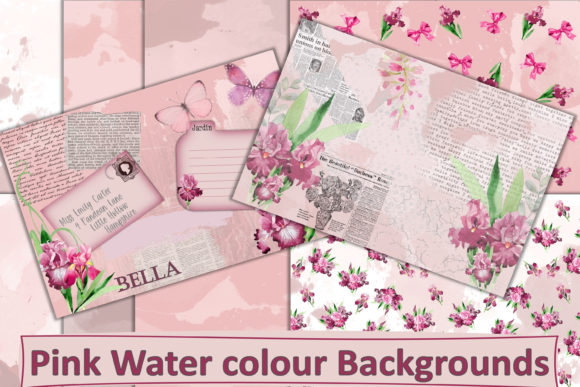
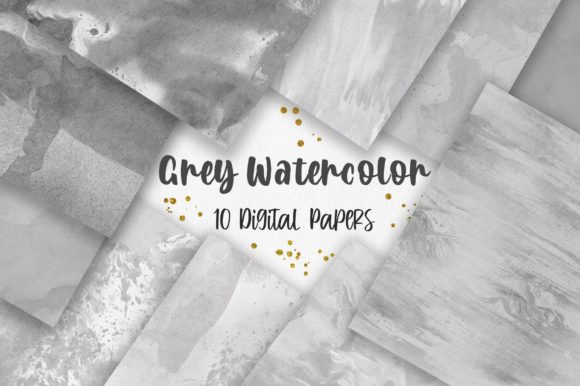
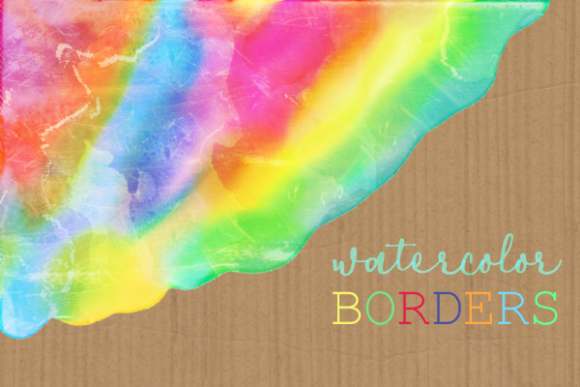
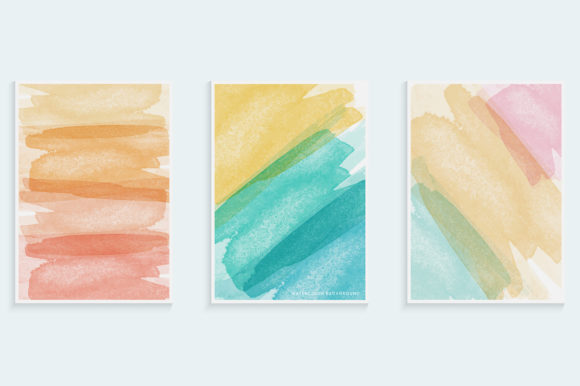
pWhen I first downloaded the Watercolor Brush Style Cover Design, I immediately thought of how it could fit into a spring-themed Canva template bundle I’ve been planning. The soft, flowing brushstrokes give off a hand-painted, artisanal vibe that feels both elegant and approachable. It’s the kind of background that works well for sellers targeting a feminine, creative, or nature-inspired audience—think Etsy shops selling planners, printable wall art, or boutique-style packaging designs. This isn’t a bold or minimalist design; it leans more toward the decorative and expressive side, which makes it ideal for seasonal collections or soft brand identities.p
pAs a digital product creator who regularly tests design assets before publishing, I ran through a few quick mockups to see how the Watercolor Brush Style Cover Design would hold up across different product types. I dropped it into a planner sticker layout, applied it as a background in a greeting card template, and even tested it as a tumbler wrap. The texture held up well in print mockups and scaled nicely for SVG use in Cricut projects. The organic flow of the brushstrokes makes it visually engaging, especially when used in digital downloads or print-on-demand items where a handmade look is desired.p
h2How This Design Works for Real Online Sellersh2
pIf you’re an Etsy seller or print-on-demand creator, you know how important it is to have versatile backgrounds that can be reused across multiple product formats. The Watercolor Brush Style Cover Design offers that flexibility. I found it especially useful for creating cohesive design bundles—pairing it with coordinating clipart or digital papers can help build a themed collection that sells better as a package. It also works well as a featured background in Canva templates, especially for bloggers or small business owners building branded social media graphics.p
pFor Cricut users and crafters, this design can be layered under cut-out SVG elements to create layered, artistic effects. However, I noticed that if the background is too detailed, it can sometimes clash with intricate cut lines. So while it’s great for decorative layouts, it’s best used carefully in projects that require clean, precise cutting. I recommend testing the SVG file in your cutting software to ensure it doesn’t have any hidden layers or paths that could interfere with machine readability.p
h2Where It Shines—and Where to Be Carefulh2
pOne of the strongest uses for the Watercolor Brush Style Cover Design is in product mockups. Whether it’s a digital download preview or a t-shirt mockup, the texture adds depth and visual interest without overwhelming the main product. I tested it on a white background and it looked crisp and clean, but when I placed it over a dark background, some of the subtler brush details got lost. That’s something to keep in mind if you’re planning to use it for packaging mockups or social media promos with dark themes.p
pIt also performs well in seasonal bundles—especially spring or floral-themed collections. I layered it under a transparent PNG greeting card layout and it gave the design a soft, premium feel. That said, I wouldn’t recommend using it for tiny sticker designs or planner stickers that require high detail. The brush texture can get muddy when scaled too small, so it’s best reserved for larger format products like wall art prints or digital paper packs.p
h2Practical Testing Tips Before Listing Your Productsh2
pBefore publishing any product that uses the Watercolor Brush Style Cover Design, I always run through a few key tests to avoid issues later. First, I check the PNG transparency to make sure there are no unwanted background pixels when layered over other designs. Then I preview the design as a thumbnail image on Etsy or Creative Fabrica to see how it holds up at small sizes—this helps avoid blurry or unclear listing images.p
pI also recommend printing a sample if you're selling physical products like greeting cards or nursery prints. The watercolor effect can vary depending on paper type and printer settings, so it’s worth checking color accuracy and texture before mass producing. If you're using the SVG file for Cricut or Silhouette machines, test the cut lines to ensure they're clean and not overly complex. And of course, verify the commercial license—this is especially important if you're bundling the design into a product sold on Etsy or through print-on-demand platforms.p
h2Pairing It with Fonts and Other Design Elementsh2
pTo get the most out of the Watercolor Brush Style Cover Design, consider how it pairs with typography and other visual elements. Since it has a soft, organic texture, it works best with fonts that echo that handmade or elegant feel. I paired it with a script font for a wedding invitation template and it looked stunning. For a more modern look, I tried a clean sans-serif and it balanced the background without competing for attention.p
pIf you're creating Canva templates or social media graphics, this background can help establish a strong visual hierarchy. It sets the tone without overpowering the text or call-to-action buttons. I also found that grouping it with coordinating clipart or sublimation designs helped create a unified brand identity, especially for sellers building a cohesive shop aesthetic on Etsy or Shopify.p
h2Final Thoughts for Digital Sellers and Creative Entrepreneursh2
pOverall, the Watercolor Brush Style Cover Design is a strong addition to any digital product creator’s toolkit—especially if you're targeting a soft, artistic, or seasonal niche. It brings a professional, handcrafted touch to digital downloads, printables, and merchandise without being too busy or hard to work with. As with any graphic design asset, the key is testing it across real product mockups and understanding where it performs best.p
pWhether you're building a Canva template set, creating SVG clipart bundles, or designing greeting cards for print-on-demand, this background has the versatility to support a range of creative business needs. Just remember to preview it carefully, test its compatibility with cutting machines, and confirm the licensing before listing your finished products. Done right, it can help elevate your shop’s visual storytelling and increase the perceived value of your digital offerings.p