Wild Bird Watercolor Seamless: A Designer’s Real-World Embroidery Review
First Impressions: A Soft, Natural Vibe
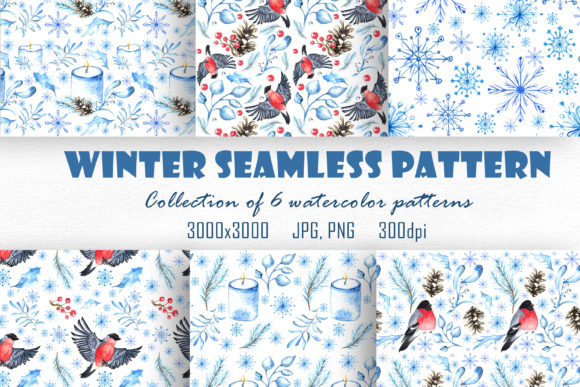
Opening the Wild Bird Watercolor Seamless design file, the first thing that strikes me is the soft, flowing composition. It’s a nature-inspired pattern that feels light and airy, with watercolor-style birds subtly repeating across the layout. The color blending gives it a painterly effect, and the seamless repeat makes it versatile for borders, backgrounds, or continuous motifs.
It’s the kind of embroidery design that immediately makes me think of boutique tote bags, nursery wall hangings, or custom sweatshirts for a small shop. The theme is gentle and organic, perfect for handmade products that lean into natural aesthetics or minimalist charm.
Real-Life Use: Where Does It Shine?
I recently tested Wild Bird Watercolor Seamless on a custom embroidered tote bag for a client who wanted a nature-themed gift line. The result was lovely — the soft color transitions held up well under stitching, and the design’s gentle curves gave the tote a handmade, artisanal look.
Here are a few other applications I’ve considered or tested:
- Sweatshirt embroidery: The flowing layout works well across the back or sleeve, especially in muted tones.
- Baby items: Used on a baby blanket or onesie, it adds a subtle decorative touch without overwhelming the fabric.
- Pillow covers: Repeating the pattern across a linen pillow gives it a boutique-style finish.
- Custom patches: Works as a standalone patch design or as a repeating border for a personalized look.
It also holds up well in digital mockups, making it a solid choice for Etsy sellers or craft entrepreneurs who need to show finished product previews to clients.
Performance in Different Fabrics and Stitches
From a technical standpoint, this design uses a mix of satin stitch outlines and soft fill stitches that mimic watercolor washes. That blend works well on medium-weight cotton and linen, where the fabric supports the stitch density without puckering.
However, I noticed a few nuances when testing it in different conditions:
- Stretchy fabrics: On lighter knits like sweatshirt fleece, the satin stitch outlines held their shape, but I’d recommend using a lightweight cutaway stabilizer.
- Dark backgrounds: The design has a soft color palette, so thread contrast becomes crucial. I adjusted the thread shades slightly for better visibility on navy fabric.
- Textured materials: It loses some detail on thick denim or corduroy — the soft strokes get lost in the fabric texture.
- Curved surfaces: Tried it on a baseball cap — the repeating pattern worked best when centered, avoiding tight corners where the design detail can get distorted.
Where to Use with Care
While Wild Bird Watercolor Seamless is a lovely design, there are some limitations to be aware of before using it in every project:
- Small hoop sizes: Due to the repeating nature, it doesn’t scale down well for tiny hoops without losing key details.
- Detailed corners: If you’re placing it on a curved or limited space like a hat or sleeve cuff, test the layout first to ensure clarity.
- Thin fabrics: The stitch density in the darker areas can cause lightweight cotton to pucker if not stabilized properly.
- Frequent washing: Since it uses softer fill stitches, consider reinforcing with a wash-safe stabilizer if used on baby clothes or kitchen towels.
Impact on Product Appeal and Customer Perception
One of the biggest strengths of this design is its ability to elevate a simple product. Whether it’s a tote bag or a baby blanket, adding Wild Bird Watercolor Seamless gives it a boutique-level finish that customers notice. It reads as thoughtful and intentional, not mass-produced.
For Etsy sellers or small shop owners, this kind of design helps build brand consistency — especially if you’re curating a nature-themed or minimalist collection. The soft aesthetic also makes it a strong contender for personalized gifts, where customers appreciate the understated elegance.
From a professional standpoint, this design is a good example of how a digital embroidery file can influence buyer engagement. It’s visually appealing in both digital mockups and stitched samples, which helps with marketing and sales conversions.
Designer Notes: Practical Tips Before You Stitch
Before using this design in a real project, here are a few checks I always run through:
- Test on scrap fabric: Always stitch a sample first, especially if you’re using it on a new fabric type.
- Check thread color contrast: The watercolor effect relies on subtle shading, so mismatched thread shades can ruin the look.
- Confirm hoop size: Make sure your hoop accommodates the full pattern, or test how it looks when repeated.
- Inspect small details: Zoom in on the design file — some of the finer feather strokes might be too thin for small-scale use.
- Test in black and white: Helps evaluate contrast and clarity, especially for monochrome mockups.
- Use the right stabilizer: Medium-weight tear-away works best for most projects, but switch to cut-away for stretchy fabrics.
- Review licensing: If you’re selling finished products or digital mockups, make sure the design allows for commercial use.
Final Thoughts: A Thoughtful Design for the Right Project
Wild Bird Watercolor Seamless isn’t the flashiest embroidery design out there, but that’s exactly what makes it special. It’s understated, elegant, and versatile — perfect for crafters, Etsy sellers, and boutique designers who want to offer something refined without being over the top.
Used thoughtfully, it enhances the value of handmade products, adds visual appeal to embroidered apparel, and brings a sense of professionalism to small shop merchandise. Just be mindful of fabric type, hoop size, and stitch clarity — and you’ll get a beautiful, lasting result every time.