Watercolor Arabian Night Backgrounds Review
As a designer who has spent years navigating the gap between digital files and physical thread, I approach every new machine embroidery design with a mix of excitement and skepticism. The market is flooded with generic patterns, but occasionally, a file arrives that sparks genuine creative potential. That is exactly what happened when I opened the Watercolor Arabian Night Backgrounds file. This isn't just another decorative motif; it is a mood piece designed to transform a simple textile into a storytelling canvas.
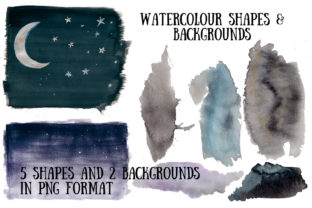
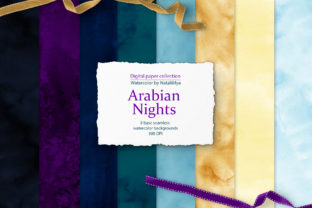
The first thing you notice about these Textures is the atmospheric depth. Unlike traditional geometric patterns that rely on rigid lines, this design mimics the fluidity of watercolor paint. It captures the essence of an Arabian night—deep indigos, rich purples, and soft golds blending into one another. For an Etsy seller or a boutique owner looking to elevate their brand, this visual personality offers a distinct advantage. It moves away from the standard floral or script-heavy designs and offers something more artistic and sophisticated.
Bringing the Design to Life: A Real-World Scenario
To truly understand the value of Watercolor Arabian Night Backgrounds, let's walk through a real project scenario. Imagine you are preparing a limited-run collection of custom tote bags for a local artisan fair. You want a product that feels premium, not mass-produced. You choose a heavy-weight natural canvas as your base. When you load the embroidery file onto your machine, the goal is to create a background that makes the bag feel like a piece of wearable art.
In this context, the design shines. The way the stitches layer to create the "watercolor" effect relies heavily on the interplay of light and shadow within the thread colors. On a sturdy canvas, the fill stitch areas build up texture without puckering, giving the bag a tactile quality that customers love to touch. If you were to pair this with a simple white logo in the center using a contrasting satin stitch, the result would be a high-value handmade product that stands out in a crowded marketplace. The background does the heavy lifting, setting a mysterious and elegant tone before the customer even reads the text.
Performance Across Different Projects
While the tote bag scenario is ideal, the versatility of Watercolor Arabian Night Backgrounds extends to various applications, provided you manage the technical aspects correctly. For custom apparel, such as sweatshirts, this design works exceptionally well on the back panel. The large scale allows the gradient effects to breathe, creating a statement piece that appeals to fashion-forward buyers. However, moving to smaller items requires a strategic shift.
If you are considering this for baby embroidery or nursery decor, the deep tones might need adjustment. While the aesthetic is beautiful, parents often prefer lighter palettes for infants. In this case, you could swap the dark indigos for softer lavenders and teals while maintaining the watercolor structure. The design remains effective as a pillow cover accent or a detail on a blanket, adding a touch of whimsy without overwhelming the space.
For the craft business owner selling embroidered patches, this design presents an opportunity to create collectible items. The intricate blending of colors creates a patch that looks almost painted. When sewn onto denim jackets or hats, it adds a layer of artistic flair that elevates the garment from basic streetwear to a curated fashion item. Similarly, for holiday embroidery projects, the magical night sky theme fits perfectly with winter collections, offering a unique alternative to traditional red and green motifs.
Technical Considerations and Limitations
Despite its beauty, Watercolor Arabian Night Backgrounds demands respect for the mechanics of embroidery. As with any complex digital embroidery file, there are specific scenarios where caution is required. First, consider the hoop size. To capture the full effect of the watercolor blend, the design needs room to expand. Attempting to shrink this significantly for a small cap or a tiny pocket can lead to lost details and muddy color transitions. Always check the dimensions before committing to a small surface area.
Fabric choice is equally critical. The design features varying levels of stitch density. On thin or stretchy fabrics like jersey knit, the heavier fill areas can cause significant puckering. To mitigate this, you must use a strong stabilizer and potentially tear-away backing to support the weight of the thread. Additionally, while the design looks stunning on dark fabrics, the contrast might be lost if the background fabric is too similar to the darkest threads used in the pattern. Testing on scrap fabric is non-negotiable here.
Another point of care involves the edges of the design. Because the watercolor style often fades out at the borders, ensuring a clean finish on personalized gifts like aprons or kitchen towels requires precise placement. If the fading edge lands too close to a hem or a fold, it may look unfinished. Planning the layout carefully ensures the final finished product looks intentional rather than accidental.
Maximizing Value for Your Business
From a commercial perspective, using Watercolor Arabian Night Backgrounds can significantly impact your brand perception. Customers today seek uniqueness and authenticity. By incorporating this design into your small shop product line, you signal that you offer curated, high-quality items rather than generic stock. The visual appeal translates directly to higher perceived value, allowing you to price your goods competitively.
However, success also depends on presentation. Before listing your items, create high-quality printable mockups that showcase how the design interacts with different lighting conditions. Show the texture of the thread and the depth of the colors. For commercial embroidery clients, presenting a sample that highlights the craftsmanship builds trust and encourages larger orders. Remember to always confirm the licensing terms before selling finished items containing this design asset. Ensuring you have the right to use it commercially protects your business and maintains professional integrity.
Practical Designer Notes for Success
To get the best results from this embroidery project, follow these practical steps:
- Test on Scrap Fabric: Never skip the test run. Check for puckering and ensure the color gradients look smooth on your chosen material.
- Review Thread Colors: The magic lies in the palette. Ensure your thread colors match the intended watercolor effect, adjusting for the specific sheen of your thread brand.
- Inspect Stitch Density: If the design feels too heavy for your fabric, consider reducing the density slightly in your software to prevent stiffness.
- Check Hoop Size Compatibility: Verify that your hoop can accommodate the design width and height without distortion.
- Compare Light and Dark Backgrounds: See how the design pops on both light and dark fabrics to determine the best application for your inventory.
- Use Proper Stabilizer: Invest in a high-quality stabilizer to support the intricate details and prevent shifting during stitching.
- Verify Licensing: Confirm whether the license covers personal use, commercial sales of finished goods, or resale of the digital product itself.
In conclusion, Watercolor Arabian Night Backgrounds is a powerful tool for designers who want to add depth and character to their work. It bridges the gap between digital art and tangible craft, offering a unique aesthetic that resonates with modern consumers. By understanding its strengths and respecting its technical requirements, you can create stunning custom apparel, memorable gifts, and profitable products that stand out in any market.