Watercolour Shapes and Backgrounds: A Designer’s Real-Use Review
First Impressions: Soft, Organic, and Versatile
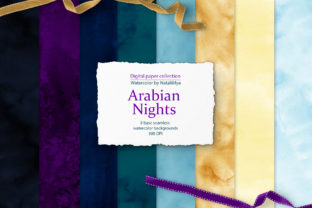
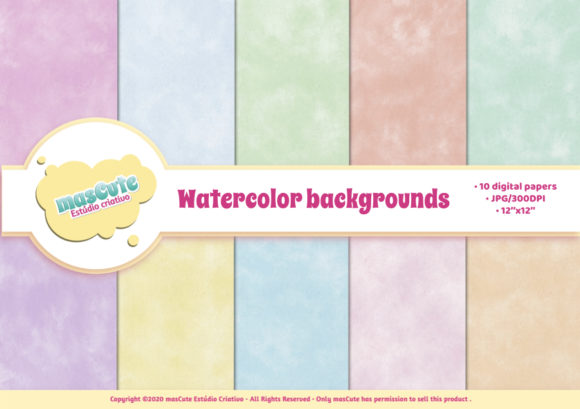
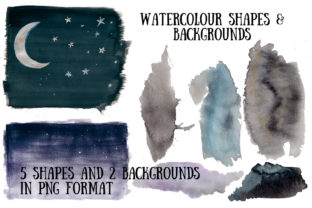
Opening the Watercolour Shapes and Backgrounds embroidery file, I was struck by the soft, painterly quality of the design. It doesn’t scream for attention like bold geometric patterns or intricate monograms. Instead, it whispers with gentle gradients and flowing edges that mimic actual watercolor washes. This makes it ideal for projects where subtlety and texture are key—think baby clothes, nursery decor, or boutique tote bags where a handcrafted, artistic feel is desired.
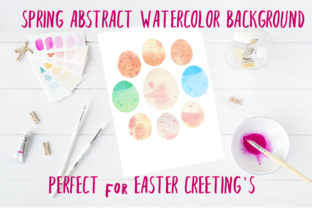
The shapes themselves are abstract but balanced, offering a nice blend of organic flow and intentional composition. There’s a sense of movement and depth that’s rare in machine embroidery files, which often lean toward crisp, defined lines. This is clearly a design meant for those who want to add a touch of softness and visual interest without overwhelming the fabric.
Real-World Use: From Sweatshirts to Holiday Gifts
I tested the design on a few different materials to see how it would hold up in actual embroidery work. Starting with a mid-weight cotton tote bag, the design stitched out beautifully. The varying densities in the fill stitches gave it dimension without pulling or puckering the fabric. It looked like a hand-painted accent, which elevated the overall presentation of the finished product.
Next, I tried it on a sweatshirt—a common item for custom apparel sellers. The heavier knit fabric softened the detail a bit, but the overall effect was still cohesive and appealing. It worked well as a background for a monogrammed initial, adding depth without competing with the main design. For Etsy sellers or small shop owners, this could be a great add-on option for customers looking to personalize hoodies or jackets.
On baby items like a onesie and a burp cloth, the design felt appropriately gentle and artistic. It didn’t have the sharpness of typical baby embroidery motifs, which made it stand out as more modern and less “cutesy.” This could appeal to parents looking for minimalist, design-forward options for baby gifts or boutique clothing lines.
Where to Use It Carefully
While the Watercolour Shapes and Backgrounds design is versatile, it’s not a one-size-fits-all solution. I noticed that on smaller hoop sizes—like those used for baby caps or narrow sleeves—the subtle details can get lost. The soft edges and flowing transitions that make it visually interesting also make it less effective when scaled down too much.
On stretchy fabrics like jersey knits or performance materials, the satin-stitched outlines held up well, but the inner fill areas showed slight distortion. This isn’t a dealbreaker, but it’s something to consider when planning custom apparel projects. A bit more stabilizer or a lightweight fusible interfacing might help maintain clarity on these tricky fabrics.
Dark fabrics also posed a challenge. The design relies on tonal shifts and light gradients to create its watercolor effect, which can be muted on black or navy backgrounds. Testing on a dark gray sweatshirt showed that the contrast between thread colors wasn’t as visible, flattening the intended depth. It might be worth adjusting thread selections or simplifying the design slightly for dark fabric use.
Impact on Product Quality and Customer Appeal
From a product design standpoint, Watercolour Shapes and Backgrounds brings a unique aesthetic that’s both modern and timeless. It adds texture without being too busy, making it a great choice for embroidered patches, boutique branding, or personalized gifts where a subtle design touch matters.
For Etsy sellers and small business owners, this kind of design can help differentiate your offerings. It’s not the typical floral or script motif that saturates the market. Instead, it offers a fresh visual language that appeals to customers looking for something artistic and understated.
Stitching clarity is good, though not razor-sharp—intentionally so. The design leans into a more painterly style, which means small details like fine lines or intricate corners might not stitch out crisply on every machine. That said, the overall composition remains intact, and the softness contributes to its charm rather than detracting from it.
Designer Notes for Best Results
- Test on scrap fabric before stitching on your final product, especially if you’re using textured or stretchy materials.
- Check thread color contrast—the design relies on tonal variation, so mismatched thread choices can flatten the visual effect.
- Review stitch density if you're using the design on thin or stretchy fabrics; adjusting density can help prevent distortion.
- Confirm hoop size fits your machine, especially if you’re working with smaller hoop embroidery or curved surfaces like caps.
- Inspect small details under magnification—some of the softer edges may require tweaking for clarity on certain fabrics.
- Test in black and white mockups to understand how the design will look without color influence.
- Compare light and dark fabric backgrounds to see where the design performs best and adjust thread accordingly.
- Use proper stabilizer—especially for stretchy or delicate fabrics, a lightweight tear-away or wash-away stabilizer can make a big difference.
- Verify licensing before selling finished items or digital embroidery files, especially if you're reselling as part of a commercial embroidery project.
Final Thoughts: A Thoughtful Addition to Any Embroidery Toolkit
Watercolour Shapes and Backgrounds isn’t the flashiest design in your embroidery library, but that’s exactly what makes it valuable. It’s versatile, understated, and works well across a range of project types—from personalized gifts to boutique apparel. It’s especially useful for designers and sellers who want to offer something a little different without straying too far from market-friendly aesthetics.
If you're an embroidery designer, small shop owner, or Etsy seller looking to add depth and texture to your embroidered products, this design is worth testing. It brings a painterly quality to machine embroidery that feels both modern and timeless, and when used thoughtfully, it can elevate your finished product from simple stitchwork to a truly artistic expression.